Exploring Coastal Habitats for Shorebirds
Coastal habitats along the shores of the United States provide essential environments for a diverse group of birds known as shorebirds. These areas, which include mudflats, salt marshes, and sandy beaches, serve as critical stopover and feeding grounds during long migratory journeys. Understanding the characteristics of these habitats and the species that depend on them offers valuable insight into the ecological processes that sustain bird populations.
Shorebirds are specially adapted to exploit the rich food resources found in intertidal zones. Their long legs and slender bills allow them to probe mud and sand for invertebrates such as worms, crustaceans, and mollusks. The timing of tidal cycles plays a central role in determining when and where these birds feed, as low tides expose vast expanses of nutrient-rich substrate. Observers interested in seeing shorebirds benefit from learning about these natural rhythms and the specific coastal features that attract different species.
This article explores the main types of coastal habitats used by shorebirds in the United States, describes some of the commonly encountered species, and outlines the seasonal patterns that influence bird activity. The information presented here is intended to provide a general overview of these dynamic environments and the factors that shape shorebird behavior.
Types of Coastal Habitats for Shorebirds
Coastal habitats vary widely along the Atlantic, Pacific, and Gulf coasts, each offering distinct conditions that influence which shorebird species are likely to be present. Mudflats are among the most productive areas, formed by fine sediment deposits in sheltered bays and estuaries. These flat expanses are exposed during low tide and harbor dense populations of small invertebrates, making them ideal foraging grounds for species such as sandpipers and dowitchers. The soft substrate allows birds to probe deeply for food, and the open landscape provides visibility for detecting predators.
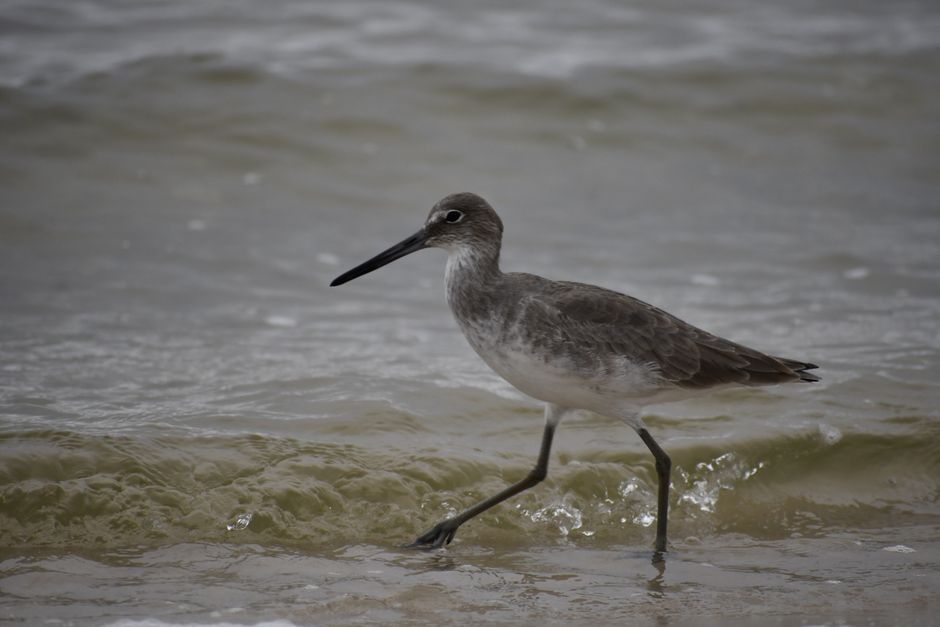
Salt marshes represent another important habitat type. These wetlands feature grasses and other salt-tolerant plants that create a complex environment. Shorebirds in salt marshes often feed along tidal creeks and channels, where water movement brings in fresh supplies of prey. Species like willets and greater yellowlegs are commonly observed in these areas, using their long bills to capture small fish and crustaceans. The vegetation also offers cover for nesting and roosting, though many shorebirds nest in more terrestrial habitats further inland.
Estuaries, where rivers meet the sea, combine freshwater and saltwater influences to create a highly productive ecosystem. The mixing of waters supports a wide range of organisms, and the shallow edges provide ample feeding opportunities. Estuaries are frequently used by migratory shorebirds as stopover sites, where they rest and refuel before continuing their journeys. The specific characteristics of each habitat—such as substrate type, salinity, and vegetation cover—determine which species are best suited to thrive there.
Common Shorebird Species and Their Habitat Preferences
Several shorebird species are frequently observed in coastal habitats across the United States. Sandpipers, including the sanderling and semipalmated sandpiper, are small, active birds that run along the water’s edge in search of surface-dwelling invertebrates. They are often seen on sandy beaches and mudflats, moving in synchrony with the waves. Plovers, such as the black-bellied plover and killdeer, differ in appearance and foraging style. Plovers have shorter bills and rely more on visual cues to catch prey, frequently pausing and pecking at the surface.
Larger shorebirds like the long-billed curlew and the marbled godwit use their elongated bills to probe deep into mud for hidden prey. These species are more commonly found in estuaries and expansive mudflats where prey is abundant at depth. The whimbrel, another large shorebird, uses its curved bill to extract crabs and other invertebrates from burrows. Each species has evolved specific morphological adaptations that allow it to exploit particular niches within the same habitat, reducing direct competition for food resources.
Rarer or more localized species include the red knot and the piping plover. The red knot relies heavily on horseshoe crab eggs during its spring migration along the Atlantic coast, making the timing of its arrival critical. The piping plover nests on sandy beaches and is particularly sensitive to human disturbance. Conservation efforts in many coastal areas focus on protecting these species by managing access to nesting sites and maintaining habitat quality.
Seasonal Patterns: When to Visit for Shorebird Activity
Shorebird activity in coastal habitats follows predictable seasonal cycles driven by migration and breeding. The highest diversity and abundance are typically observed during spring and fall migration periods, when large numbers of birds pass through the United States. Spring migration occurs from March through May, as birds travel north to their Arctic breeding grounds. During this time, coastal sites along the Gulf of Mexico and the Atlantic coast serve as crucial refueling stations. Many species arrive in peak condition and feed intensively to build energy reserves for the next leg of their journey.
Fall migration extends from July through October, with adult birds often departing earlier than juveniles. Juvenile birds may linger along the coast, learning to forage effectively before their first migration south. The specific timing varies by species and geographic location. For example, sites in the Mid-Atlantic region may see peak numbers of semipalmated sandpipers in late July, while the West Coast experiences high counts of western sandpipers in early fall. Local weather patterns and food availability can shift these windows from year to year.
During the summer months, shorebirds that nest in the Arctic are absent from most US coastal areas, though a few species such as the American oystercatcher and the black-necked stilt breed locally in suitable habitats. Winter brings a different community of shorebirds, including those that spend the non-breeding season along southern coasts. The timing of visits can be planned around these general patterns, though conditions at individual sites may vary considerably.
Factors Influencing Shorebird Distribution and Behavior
The presence and behavior of shorebirds in coastal habitats are influenced by multiple environmental factors. Tidal cycles are among the most immediate determinants of foraging activity. During low tide, expansive feeding areas become accessible, and birds concentrate in these zones. As the tide rises, birds are forced to move to higher ground or roost in upland areas until the next low tide. Observers who track local tide tables can predict when and where shorebirds are most likely to be seen feeding.
Food availability is another key factor. The abundance of invertebrates in mudflats and sediments is influenced by water temperature, salinity, and organic matter. Seasonal changes in prey populations can affect whether a site supports large numbers of shorebirds. Additionally, weather events such as storms or cold fronts can alter local conditions, sometimes causing birds to redistribute to more favorable areas. Predation pressure from raptors and ground predators also influences where shorebirds choose to feed and rest.
Human activities, including coastal development and recreational use of beaches, can impact shorebird habitats. Disturbance from foot traffic, vehicles, or off-leash dogs may cause birds to expend energy on frequent flight rather than feeding. Protected areas and seasonal closures are sometimes implemented to reduce such effects. Understanding these factors helps observers appreciate the dynamic nature of coastal ecosystems and the challenges shorebirds face during their annual cycles.
Observing Shorebirds in Coastal Habitats
Spending time in coastal habitats observing shorebirds can be a rewarding experience that deepens one’s understanding of ecological relationships. The process of identifying species involves noting size, shape, bill length, leg color, and plumage patterns. Binoculars or spotting scopes allow for detailed observation without causing unnecessary disturbance. Staying at a distance and moving slowly reduces the likelihood of birds flushing, which is especially important during migration when birds need to conserve energy.
Many coastal refuges and nature reserves offer designated viewing areas and boardwalks that minimize habitat disruption. These managed sites often provide interpretive materials that explain the role of tidal marshes and mudflats in supporting wildlife. Visiting during the early morning or late afternoon can be advantageous, as lower light angles reduce glare and birds tend to be more active. Observers can also benefit from consulting local birding reports or joining guided walks led by experienced naturalists.
The information gained from shorebird observation contributes to broader knowledge of coastal ecology. Citizen science programs that record sightings and behavior help researchers track population trends and migration patterns. By approaching these habitats with respect and curiosity, observers can develop a deeper appreciation for the delicate balance that sustains shorebird communities.